antimicrobial additives in plastic products

Benefits of Antimicrobial Additives in Plastic Products

We are becoming increasingly aware of bacteria in our everyday lives. Products for personal and home use can now help inhibit the growth of harmful bacteria. Americans spend over $195 million on hand sanitizer yearly to protect themselves from bacteria and viruses.

This same concept of protecting ourselves from bacteria and viruses is not new to plastic manufacturing. Antimicrobial additives have a firm place in plastic production as they can help protect and lengthen the life of plastic products.

Why are antimicrobial additives used in plastic products?

These additives are used because bacteria and fungi are known to feed on plastic and polymer additives. This wouldn’t be an issue, but over time, the bacteria and fungi can cause the integrity of the product to break down. This is especially true in outdoor applications where other environmental elements also stress the product.

Microbial attacks on industrial and consumer polymers can also cause issues, in addition to degrading them, such as staining and unwanted smells. Introducing antimicrobial additives will help preserve the integrity of the product and extend its life expectancy.

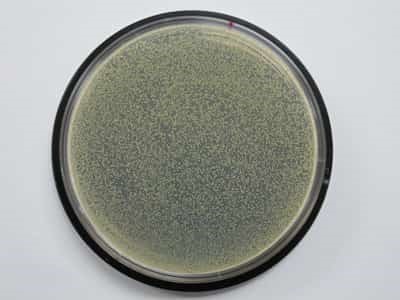
Examples of polymers with and without antimicrobial additives after a 24-hour exposure to MRSA:
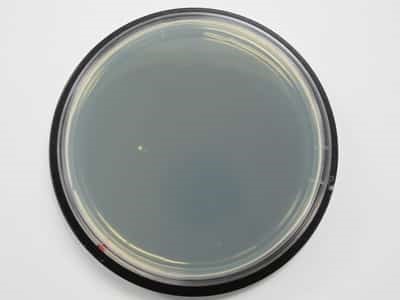
no microbial growth microbial growth

These samples were incubated for 24 hours at 98°F.  The treated polymer had 99.99% less MRSA than the untreated sample.

What products benefit from antimicrobial additives?

There are many instances in which antimicrobial additives are suitable. The number of applications continues to grow, but common products with antimicrobial additives include, but are not limited to:

  • Building Products. Applications include roofing materials, pipes, flooring, vinyl siding, windows, and insulation.
  • Commercial Products. Products include automotive interiors, seating, packaging, PVC blinds, signage, and electronic elements.
  • Products include small appliances, toilet seats, mattresses, flooring, and cutting boards.
  • Applications include business supplies, seating, countertops, storage, and medical devices.
  • Products include footwear, duffle bags, sports equipment, and wrestling and yoga mats.

Taking the Antimicrobial Leap

If you are ready to consider adding antimicrobial additives to your products, we can help!  Phoenix Plastics has been in business for 40 years, and in that time, we have perfected the process and use antimicrobial agents you can trust to extend the life and integrity of your products.
Give us a call today at 866-760-2311 so we can discuss your products and how we can improve them!

RECENT BLOG POSTS

Exploring the chemistry, applications, and environmental impact of chemical foaming agents.

Understanding the Chemistry of Chemical Foaming Agents

If you’ve ever wondered how plastics can be molded into intricate shapes or made lighter without compromising their structural integrity, then you’re in the right place. This blog will delve into the fascinating world of chemical foaming agents, their role in enhancing the manufacturing process, and the remarkable science behind their transformative abilities. In plastics

Read More »
Advancements in plastic additive science are crucial for developing more durable, sustainable, and versatile plastic products across various industries.

Plastic Additive Science: Understanding The Mechanisms Behind Plastic Additives

Plastic additive science represents a fascinating and critical aspect of polymer chemistry, delving into the intricate mechanisms that underpin the functionality and versatility of plastic materials. Additives play a pivotal role in modifying and enhancing the properties of plastics, contributing to their stability, durability, processing characteristics, and aesthetic appeal. In this blog post, we explore

Read More »
Blue plastic additive pellets in a white background

Degradable Additives vs. Traditional Plastics: What You Need to Know

Plastic is one of the most widely used materials in the world, but non-biodegradable plastic can take centuries to decompose. To address this, some plastic manufacturers have introduced biodegradable plastic additives that make plastic more eco-friendly by accelerating its breakdown.  Here’s what you need to know about degradable additives with traditional plastics, how they work,

Read More »

ABOUT US

Located in Conroe, TX, just north of Houston, Phoenix Plastics was founded in 1996 but our staff has more than 75 years of experience in the plastic industry. Our testing and processing takes place in-house, which allows Phoenix Plastics to maintain high quality standards. Phoenix Plastics is an ISO 9001: 2015 Certified company.


CONTACT US TODAY

5400 Jefferson Chemical Rd
Conroe, TX 77301

1.866.760.2311 / Fax: 936.760.2322
phoenix@phoenixplastics.com

Location Hours:
Monday – Friday: 8:00 AM – 4:00 PM CST
Dock Hours: Monday – Friday: 9:00 AM – 3:30 PM CST

FIND US

Translate »
Scroll to Top

1 Result for California

QTM

QTM

Contact: Kevin Para
kevin@qtmi.com or
QTMOrders@qtmi.com

540 S Melrose St.,
Placentia, CA 92870

Founded in 1999, QTM, Inc. was established to better serve thermoplastic processors, OEMs, and end users. Unlike the larger distribution companies that dominate today’s plastics distribution world, we are a smaller yet aggressive plastics distribution and manufacturing partner. Our mission is to provide personalized, efficient, and high-quality service to meet the unique needs of our clients.

Distributor data QTM