compounding and manufacturing in Houston

Commonly Used Plastics Additives

Plastic is a part of our lives today.  It is in our homes, our cars, and our workspaces.  Plastic comes in many forms and serves many purposes.  Much of the versatility of plastic comes from the plastic additives that are used in the production of the process. There are a wide variety of plastics additives that are used, with some being more common than others.
plastics additives
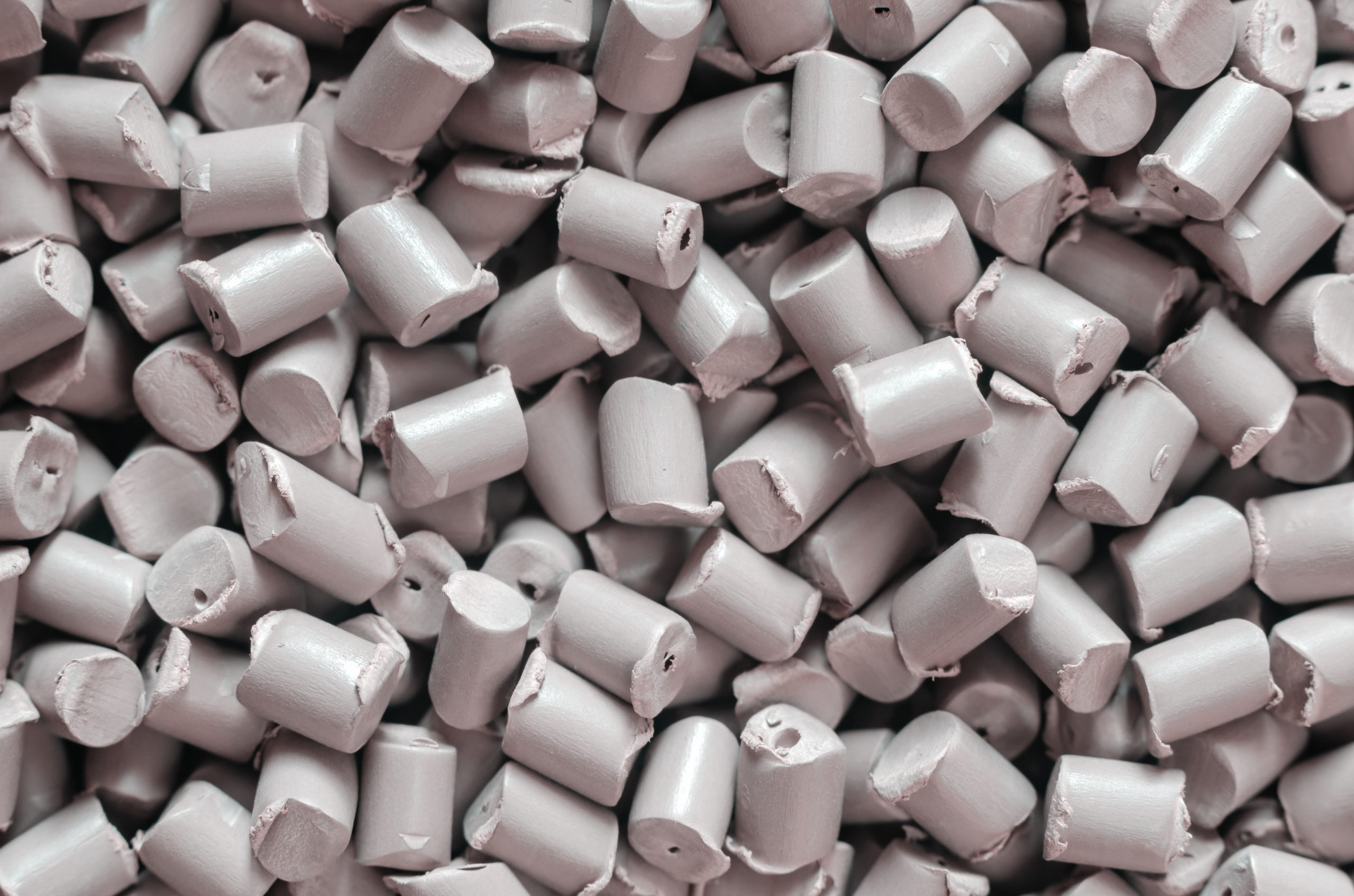
Gray polymer dye in granules, background texture.

Process Aids

Process aids are used in the compounding of many polymers.  These additives can be used for a variety of reasons such as flow enhancement, to increase productivity, to eliminate dye build-up, assist with dispersants, or to aid in mold release.  Every compounded batch is different and can be tailored to the need of the client based on their specifications.

Stabilizers

Stabilizers are one of the most common plastics additives.  This is because polymer chains have to be protected or they will break down over time.  There are a wide variety of stabilizers that are used to protect plastics including thermal, ultraviolet, and antioxidants that allow for plastic compounders to truly personalize every batch made.

Purging Agents

Purging agents are often used prior to the compounding of a polymer in order to ensure the product is free and clear of any contaminants.  These purging agents are used to remove any unwanted color from equipment.  Purging agents come in a variety of options depending on the type of plastic being used or the type of contaminate wanting to be removed.

Foaming Agents

Foaming agents are another common additive used in plastics processing.  The idea behind these foaming agents is to reduce weight, cycle time, and to prevent sink marks from forming.  Foaming agents are commonly used in injection molding and other various processes.

Essential Oils

Essential oil plastic additives are quite common.  These additives are generally added to plastics that will be used where insects may be present.  The addition of the oils to the plastic will help to repel insects, add a pleasant aroma, and prolong the life of the polymer in that particular application.

Antimicrobial Plastics Additives

Plastics that will be used in building, small appliances, commercial settings, and the like will often have antimicrobial plastics additives used in their compounding.  These additives help to limit the growth of bacteria on the surface of the plastic product. This can be a huge benefit in the use of plastics in just about any application to prevent the spread of disease vectors.

Fire Retardants

Fire retardants are also a very commonly used plastic additive.  The purpose is to make the plastic product as resistant to fire as possible.  Flame retardants are used in plastics that will have any exposure to heat, so there are a vast amount of applications from appliances, construction, and automotive applications, and beyond.

Interested in compounding and manufacturing specialty additives in Houston?

Contact Phoenix Plastics Today

RECENT BLOG POSTS

Plastic additives used to make lightweight plastics for multiple applications

The Role of Additives in Lightweight Plastics: Reducing Weight While Retaining Strength

The demand for lightweight plastics has never been greater. From automotive components to consumer electronics, industries across the board are searching for ways to reduce material weight without sacrificing structural integrity. The solution lies in a sophisticated blend of polymer science and advanced additive technology. At Phoenix Plastics, we’ve spent decades perfecting the art of

Read More »
Illustration of plastic additives to improve performance, color, and sustainability for manufacturing applications.

Top Plastic Additive Trends: What’s Shaping the Industry Today?

In 2026, plastic additive trends are shifting toward solutions that reduce environmental impact while improving performance, not just meeting minimum compliance. Processors increasingly look for plastic additive trends that support recyclability, lighter-weight parts, and lower VOC and toxicity profiles to satisfy brand, regulatory, and customer expectations. At the same time, plastic additive trends emphasize higher

Read More »
Plastic additives made with thermal stabilizers, allowing them to withstand high temperatures.

Thermal Stabilizers in Plastics: Preventing Degradation in High-Temperature Applications

Plastics have become integral to various industries due to their cost-effectiveness, versatility, and lightweight nature. However, high temperature exposure can lead to significant degradation of these materials, affecting their mechanical properties and overall performance. To address the challenge of heat exposure, thermal stabilizers are integrated into plastic formulations. These specialized additives play a crucial role

Read More »

ABOUT US

Located in Conroe, TX, just north of Houston, Phoenix Plastics was founded in 1996 but our staff has more than 75 years of experience in the plastic industry. Our testing and processing takes place in-house, which allows Phoenix Plastics to maintain high quality standards. Phoenix Plastics is an ISO 9001: 2015 Certified company.


CONTACT US TODAY

5400 Jefferson Chemical Rd
Conroe, TX 77301

1.866.760.2311 / Fax: 936.760.2322
phoenix@phoenixplastics.com

Location Hours:
Monday – Friday: 8:00 AM – 4:00 PM CST
Dock Hours: Monday – Friday: 9:00 AM – 3:30 PM CST

FIND US

Translate »
Scroll to Top

1 Result for California

QTM

QTM

Contact: Kevin Para
kevin@qtmi.com or
QTMOrders@qtmi.com

540 S Melrose St.,
Placentia, CA 92870

Founded in 1999, QTM, Inc. was established to better serve thermoplastic processors, OEMs, and end users. Unlike the larger distribution companies that dominate today’s plastics distribution world, we are a smaller yet aggressive plastics distribution and manufacturing partner. Our mission is to provide personalized, efficient, and high-quality service to meet the unique needs of our clients.

Distributor data QTM