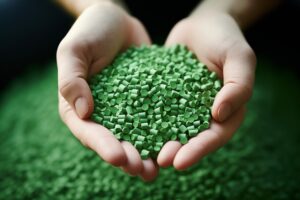

Plastic is a material we all take for granted because it is so commonplace in our lives today. Yet, what most of us don’t think about is that every plastic product that we benefit from or make use of utilizes plastic that is compounded for its specific purpose. Without compounding, plastic wouldn’t be nearly as versatile and readily available to serve our multitude of needs.
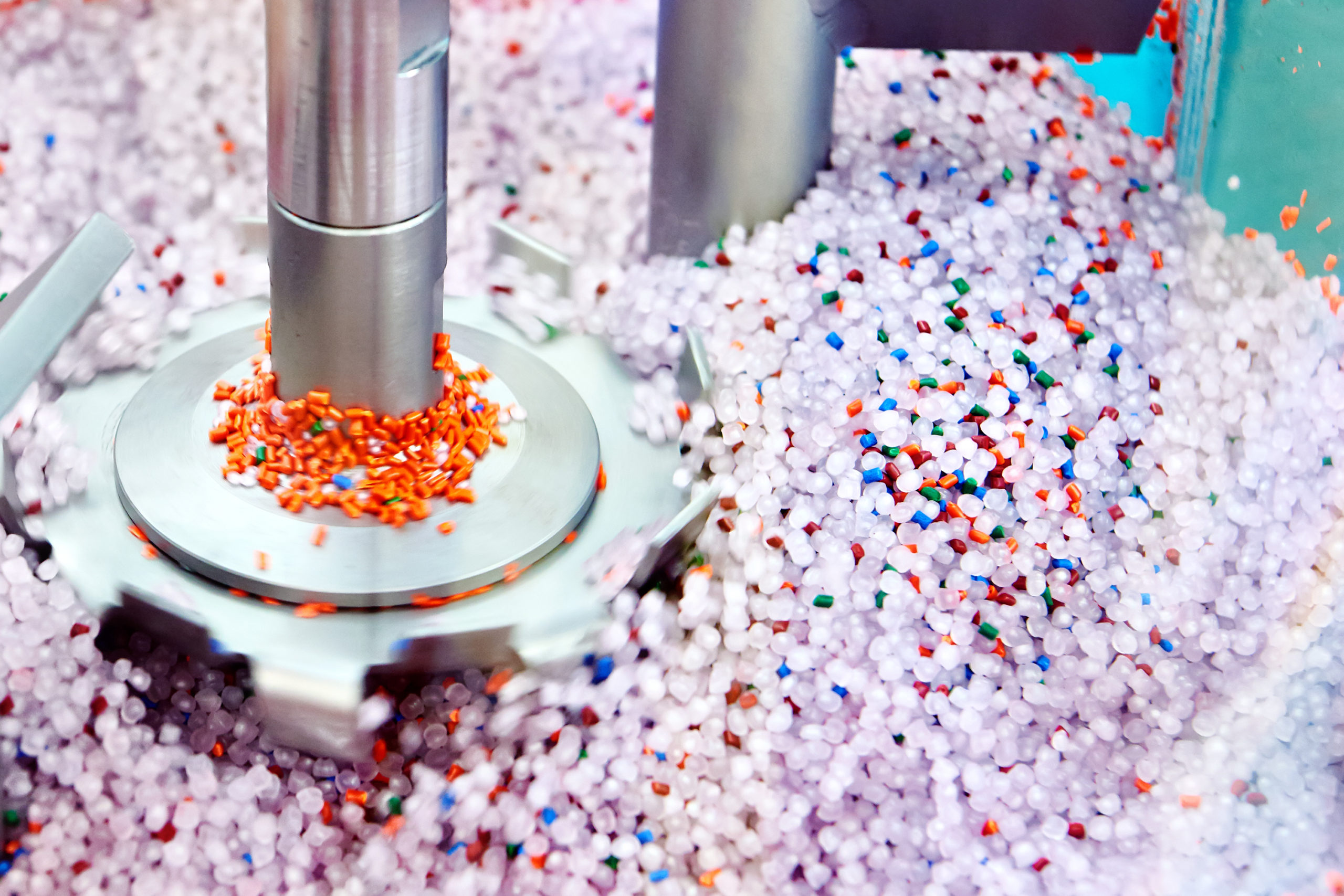
Achieving the Desired End Product with Plastic Compounding
Plastic compounding is done differently for every application. Some of the factors that are specifically compounded include, but are not limited to:
Color: When you are compounding plastic, color selection is often a priority. When you think of all the plastic products you use, you’ll realize that they are available in unlimited colors.
Food safe: Not all plastic is food safe. When plastic is used for food packaging or handling, specific products and plastic compounding processes must be used to ensure that the food product is safe to consume.
Fire retardation: When exposed to heat, plastics will melt and often catch fire. Fire retardants can be added to polymers to help prevent combustion, especially in construction applications.
Strength and flexibility: Think about the plastic products you use daily; you’ll notice differences in strength and flexibility. Each plastic has been compounded to provide this extremely specific purpose and quality.
Antimicrobial properties: Some plastic products benefit from being compounded to prohibit the growth of germs on their surface. These plastic additives are especially prevalent in the production of medical products.
UV Tolerance: If plastic products are exposed to UV rays, the plastic can be compounded to add extra protection against these rays, which often leads to material degradation.
Advancing Efficiency and Sustainability Through Plastic Compounding
Beyond these functional properties, plastic compounding also plays a vital role in enhancing efficiency, sustainability, and cost-effectiveness. Manufacturers often introduce fillers such as talc, glass fiber, or calcium carbonate to improve strength, reduce material costs, or enhance processability. These fillers make plastics easier to mold, optimize heat resistance, and create smoother surfaces. In the automotive industry, compounded plastics contribute to lighter yet stronger parts, improving fuel efficiency and reducing emissions. Meanwhile, in consumer goods, additives such as pigments, stabilizers, and lubricants improve durability and give products the desired tactile or visual finish.
Another emerging area of focus is sustainability. With growing demand for eco-friendly manufacturing, plastic compounders are using recycled resins and bio-based polymers to reduce waste and support circular economy goals. Compounding also allows old plastic streams to be rejuvenated by restoring color, flexibility, and strength through formulation adjustments. This innovation means plastic products can remain high-performing while being more environmentally responsible.
Industries such as electronics and construction rely heavily on advanced compounding to meet regulatory and safety requirements. For instance, halogen-free flame retardants are now common in electrical components, while antimicrobial and UV-stabilized polymers are being developed for medical and outdoor applications. The level of customization possible through compounding is what enables plastics to keep replacing metals, ceramics, and other traditional materials across industries, providing comparable performance at a fraction of the cost and weight.
Phoenix Plastics Wants to Be Your Plastic Compounding Provider
This is just a broad look at the many benefits of plastic compounding. The customizations that are possible are nearly endless. At Phoenix Plastics, we are always developing new compounding services and abilities that allow our customers to personalize their plastic products. Whether you need compounds with enhanced durability, color precision, or added performance additives, we have the capabilities to tailor formulations that meet your exact specifications. Our team works closely with customers from concept to final production, ensuring materials are engineered for efficiency, compliance, and superior end-use performance. Contact us today so we can discuss your unique needs. We look forward to exceeding your expectations!