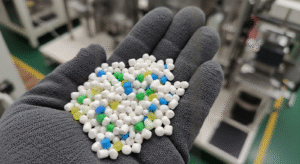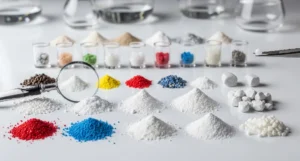
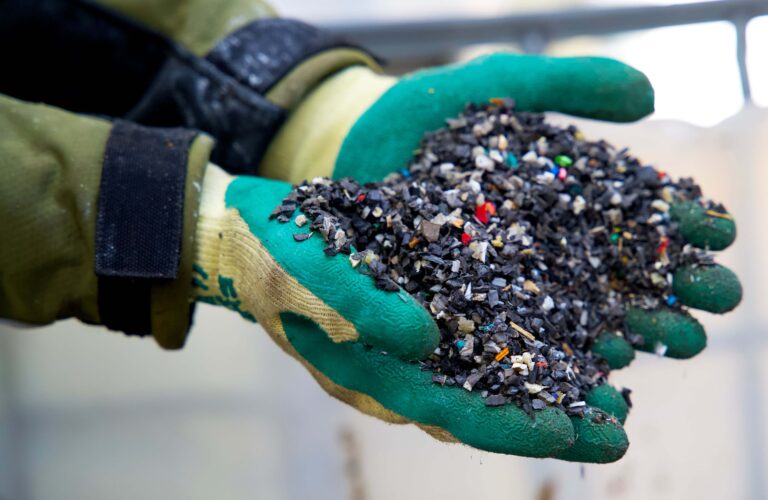
Using process aids can help reduce the environmental impact of plastic manufacturing by optimizing production efficiency, reducing waste generation, and minimizing energy consumption.
Plastic materials used in environments prone to contamination with biomatter often incorporate antimicrobial additives. These additives play a crucial role in preventing the gradual deterioration of plastics caused by bacteria and similar factors. Here’s an overview of antimicrobial additives in plastic manufacturing and their significance.
How Plastic Process Aids Work
Plastic processing aids are additives designed to enhance the workability of plastics during manufacturing. They seamlessly blend in and become an integral material component. By modifying the properties of the plastic, these additives facilitate smoother manufacturing processes, ultimately contributing to environmental benefits.
By modifying the properties of the plastic, these additives facilitate smoother manufacturing processes, resulting in several environmental benefits. First, process aids can improve the flow characteristics of the plastic, allowing it to be processed more efficiently. This can reduce the energy requirements of the processing equipment, leading to decreased energy consumption and lower greenhouse gas emissions.
Additionally, process aids can enhance the melt flow properties of the plastic, reducing the occurrence of defects or inconsistencies in the final product. This can minimize the generation of scrap or waste materials during production, leading to reduced waste disposal and landfill usage. By optimizing manufacturing efficiency and reducing waste generation, the environmental impact of plastic production can be significantly reduced.
Furthermore, process aids can enable manufacturers to use thinner plastic walls or components in their products without compromising on performance. This reduction in material usage not only conserves resources but also results in lower material costs and transportation needs, further reducing the overall environmental footprint.
Moreover, by improving the workability of plastics, process aids can contribute to the production of high-quality and durable products. This can increase the lifespan of plastic items and reduce the frequency of replacement, leading to less material consumption and waste generation over time.
Reducing Waste Production with Plastic Additives
Process aids play a significant role in plastics manufacturing, particularly in reducing waste production. One common issue faced in the industry is the occurrence of deformities in finished products. By incorporating process aids into plastics, finished products with deformations are significantly reduced, and this helps plastic waste generated during manufacturing.
Reducing Energy Consumption

Certain process aids can contribute to energy reduction in plastic production. By incorporating process aids, plastics exhibit increased softness, making them easier to mold into the desired shape. As a result, less time and pressure are required during the molding process, leading to energy savings. More efficient heating and molding steps reduce the overall energy consumption for plastic production.
Reducing Production Costs
Ultimately, any factor that improves the workability of plastic directly impacts reducing production costs. When plastic is easier to work with, it places less stress on machinery, decreasing maintenance requirements and lowering prices. Similarly, by optimizing the manufacturing process with plastic additives, energy costs can be minimized.
Different Types of Process Aids
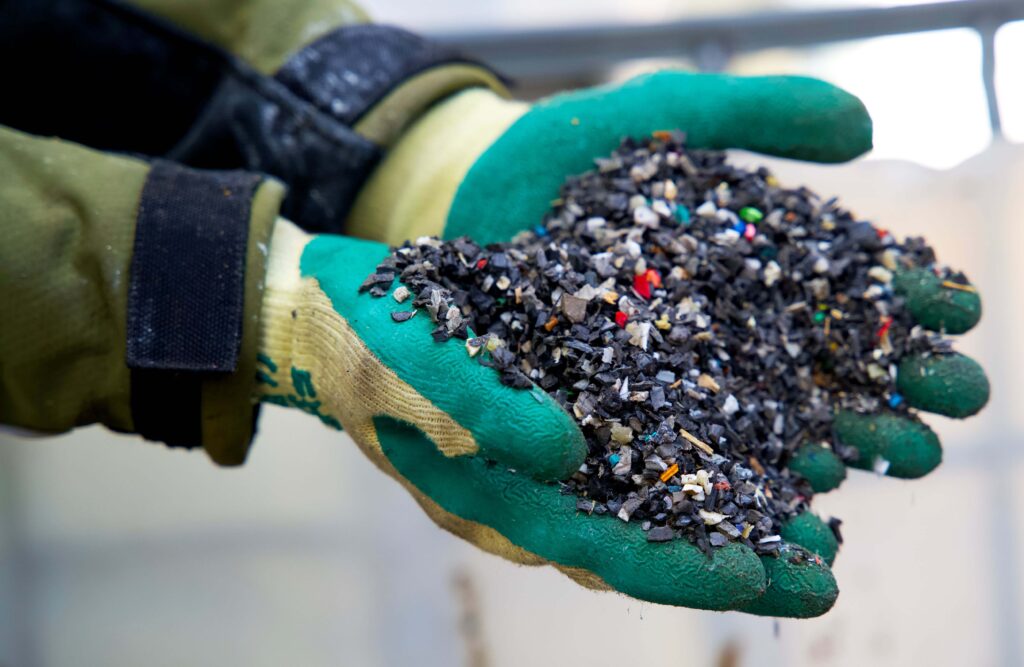
There are several common types of process aids. These include:
Lubricants
Lubricants reduce friction between the plastic and the machines used to make it, and this reduces machine wear, reducing the need for repairs.
Antistatic Agents
Antistatic agents prevent plastics from developing an electric charge, which can cause problems in the manufacturing process.
Antimicrobials
Antimicrobials prevent the growth of bacteria and fungi in plastics, dramatically extending their lifespan, reducing the need for new plastics, and helping the environment.
Help the Environment with the Right Process Aids
Plastic process aids are an effective means to enhance manufacturing while reducing pollution. By leveraging the expertise of Phoenix Plastics, you can achieve your project goals and actively contribute to environmental preservation. Contact Phoenix Plastics today for a quote on your next project and make a positive impact on the environment.