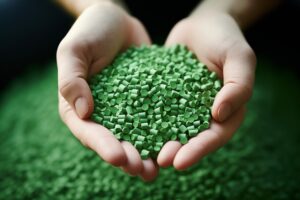

As the global demand for plastic rises, so does the need for sustainable practices in its production and use. Plastics have become an integral part of modern life, finding applications in various industries from packaging to automotive and electronics. However, the environmental impact of plastic production, particularly concerning carbon emissions, is significant.
This has led to an urgent discussion about the sustainability of plastic manufacturing processes, prompting researchers and manufacturers to explore innovative solutions such as sustainable plastic additive solutions.
The Role of Sustainable Plastic Additives
Plastic additives enhance the properties of plastic materials. These substances can modify plastics’ physical, chemical, and mechanical characteristics, making them more durable, flexible, or resistant to environmental stressors.
However, many conventional additives are derived from fossil fuels and adversely affect human health and the environment. This has catalyzed a movement toward developing sustainable alternatives that can reduce the carbon footprint associated with plastic production.
Sustainable Alternatives: Natural Additives
Sustainable additives typically derive from renewable resources, including biomass, agricultural by-products, and food waste. By using these materials instead of petroleum-based counterparts, manufacturers can significantly lower the carbon emissions related to the lifecycle of plastic products.
For instance, starch-based additives, which can be extracted from crops like corn and potatoes, are becoming increasingly popular. These natural additives not only enhance biodegradability but also reduce fossil fuel reliance in plastic production.
Bio-Based Plasticizers
Another promising approach includes the development of bio-based plasticizers. Traditional plasticizers, often used to increase the flexibility of plastics, can release toxic chemicals and contribute to health issues.
In contrast, bio-based plasticizers derived from natural oils and fats are safer, non-toxic alternatives that can offer similar performance without the environmental drawbacks. By substituting these sustainable plasticizers for synthetic counterparts, manufacturers can produce safer and more environmentally friendly plastic products.
The Promise of Biopolymers
Technological advancements paved the way for biopolymers, materials that can be produced from biodegradable resources and designed to be biodegradable. For example, polylactic acid (PLA) and polyhydroxyalkanoates (PHAs) are two types of biopolymers that are gaining traction.
They offer a lower carbon footprint during production and break down more readily in natural environments, reducing plastic pollution. Incorporating such materials into the production process can significantly reduce lifecycle greenhouse gas emissions.
Addressing Performance Challenges
One of the biggest challenges in using sustainable additives is balancing performance with environmental responsibility. Many companies hesitate to switch to biodegradable or bio-based additives due to property changes or overall performance concerns.
However, ongoing research addresses these challenges; for instance, innovations in composite materials allow manufacturers to maintain product functionality while utilizing more sustainable components. This research is critical as it provides evidence that sustainable solutions can meet the high-performance standards demanded by industries.
The Importance of Collaboration
Collaboration is essential in driving the shift towards sustainable solutions in plastic production. Manufacturers, researchers, and policymakers must work together to encourage the adoption of sustainable materials and practices.
Incentives for businesses to transition to sustainable additives can foster a more substantial market shift and lead to regulatory frameworks that support environmentally friendly practices.
Countries worldwide are beginning to recognize the importance of transparent and sustainable supply chains, pushing for legislation to guide manufacturers in reducing their carbon emissions and overall environmental impact.
The Role of Consumer Demand
In addition, consumer demand for sustainable products is growing. As environmental awareness increases, more consumers seek products that reflect their values.
Companies that invest in sustainable routines not only appeal to eco-conscious consumers but also position themselves as market leaders. This creates a positive feedback loop, where demand for sustainable products encourages further innovations in sustainable additives and materials.
By focusing on sustainable plastic additive solutions, manufacturers can reduce their environmental impact while meeting the demands of consumers and industries. The transition to sustainable additives is not merely an option but a necessity.
The plastic industry must innovate and adapt for the sake of the planet and future generations, embracing solutions that promote sustainability and reduce carbon emissions. The time to act is now: contact Phoenix Plastics and explore the opportunities for change that are ripe for exploration.