
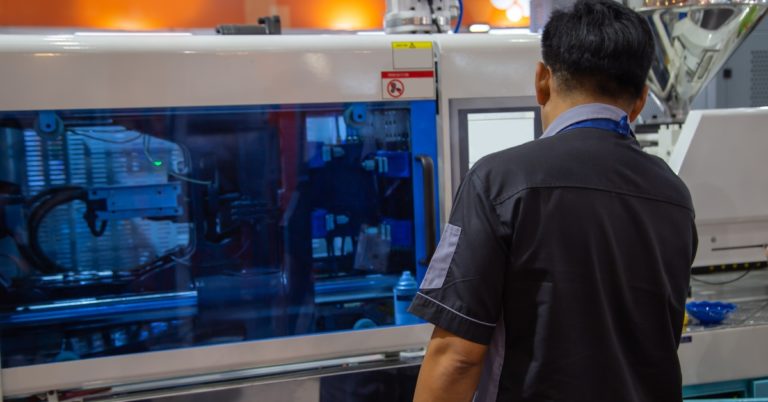
In manufacturing environments, optimizing cycle times is not just about speed; it’s about maintaining consistency and product integrity at every stage of production. Advanced process monitoring and automation technologies are increasingly being integrated into plastic manufacturing lines to precisely control temperature, pressure, and material flow. These innovations allow manufacturers to identify inefficiencies in real time and make adjustments on the fly, further reducing cycle times without sacrificing quality. By leveraging data-driven insights, operators can fine-tune their processes, ensuring that each batch meets stringent industry standards while maximizing throughput.
Another critical factor in cycle reduction is the choice of tooling and mold design. High-performance molds with enhanced cooling channels and optimized geometries can dramatically decrease cooling times, which, as mentioned, often account for a significant portion of the total cycle. Investing in state-of-the-art tooling not only reduces production bottlenecks but also extends mold life and improves part consistency. At Phoenix Plastics, we recognize that combining the right materials, additives, and process technologies is the key to achieving the lowest possible cycle times and the highest return on investment for our customers.
The cycle reduction time of plastic production for manufacturers is important because of the competitive nature of the international market. This not only requires faster times for production but also with quality. In most cases, minimizing the time it takes to make a product can also mean risking product quality. However, for manufacturers that learn to do this correctly, it could mean a higher profit margin and great overall savings.
Most companies operate injection molding systems, blow molding, or both systems. Therefore, here at Phoenix Plastics, we offer manufacturers a couple of solutions to help with cycle reduction times.
Using Foaming Agents
There are many benefits to using chemical foaming agents, however. Some of the greatest benefits include reducing product weight and cost due to less material consumption, as well as higher production efficiency. This also includes lowering processing temperatures to produce faster cycle times.
Overall, chemical foaming agents help improve cooling and
reduce molding machine energy. And all of this helps operators obtain cycle
time reduction by 10-20%, which translates to phenomenal savings.
Using Molecular Modifiers for Cycle Reduction
The beauty of molecular modifiers is that they change the
sheer forces and allow operators to melt plastics at much cooler temperatures.
In blow molding, by lowering the Delta T, manufacturers can still obtain a
quality product and reduce cycle times.
Cooling is Key
With the production of plastic products, cooling time, for example, is often half the time it takes to produce. So, when operators can reduce cooling times, this directly impacts the number of products they can make in a given cycle time. Manufacturers ultimately want to drive down melting temperatures by bringing down Delta T in the cooling cycle.
Like most manufacturers, when it comes to cycle reduction, Phoenix Plastics understands that time is money in the case of production. As such, the number of products you can produce in a given year with the same quality directly impacts profits.
Connect with Phoenix Plastics
There are a few other options available that will help minimize cycle times. However, our chemical foaming agents and molecular modifiers work well to effectively reduce cycle times. Correctly cooled products can certainly help with cycle reduction times from 30% to 40%. And less time also means more money! For assistance and more information, be sure to contact Phoenix Plastics online or give us a call toll-free at 1-866-760-2311.