In today’s world, hygiene and safety have become paramount concerns in consumer products and industrial applications. As we seek to minimize the risk of infections and contamination, antimicrobial plastic additives have emerged as a crucial solution.
These specialized additives are integrated into plastic materials to inhibit the growth of bacteria, d5 mold, and other harmful microorganisms, thus ensuring the longevity and cleanliness of various products.
Understanding Antimicrobial Plastic Additives
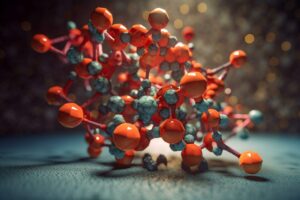
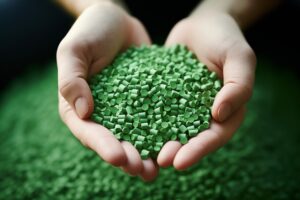
Antimicrobial plastic additives can be added to plastic resins during manufacturing. They function by actively disrupting the cellular functions of microbes, preventing them from spreading. This protective mechanism helps maintain product integrity and enhances its safety for consumers.
The types of antimicrobial agents commonly used include silver ions, zinc, and copper, all of which have proven effective in controlling microbial growth.
The Need for Antimicrobial Solutions
With the increasing awareness of overall health and hygiene, the demand for antimicrobial products is rising. Consumers are particularly concerned about the surfaces they interact with daily—door handles, kitchen utensils, and medical devices, to name a few.
These surfaces can easily harbor bacteria and molds, leading to potential health risks. For instance, contaminated food packaging can cause spoilage or foodborne illnesses. Similarly, medical equipment that is not adequately protected can lead to infections in healthcare settings. Therefore, integrating antimicrobial additives into plastics is a technological advancement and a necessary step toward ensuring public health.
Applications of Antimicrobial Plastic Additives
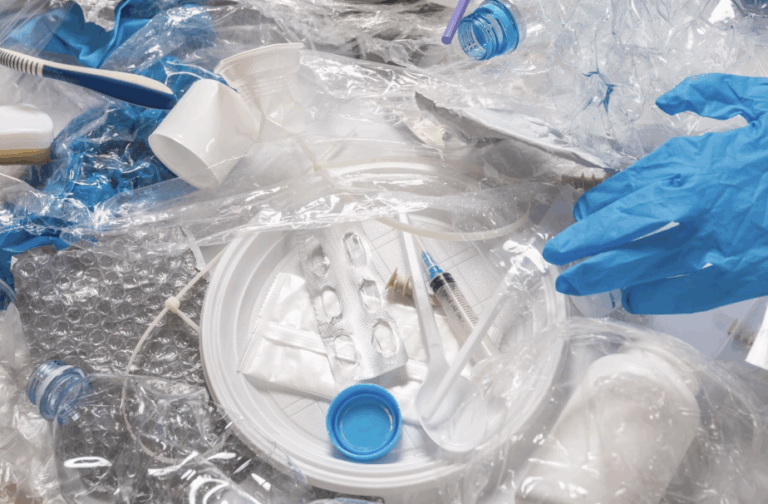
Antimicrobial plastic additives are used in a wide range of industries. In the healthcare sector, medical devices, surgical instruments, and hospital furnishings benefit significantly from these additives. They help reduce the risk of healthcare-associated infections (HAIs), a significant concern in hospitals and clinics worldwide.
Antimicrobial plastics are used in consumer goods, such as food packaging, kitchenware, and personal hygiene products. Containers made from antimicrobial plastic help keep food fresher for longer by reducing the growth of bacteria and mold. Cleaning products incorporating antimicrobial properties also enhance their effectiveness in killing surface germs.
The construction industry is another area where these additives play a vital role. Antimicrobial agents can also be applied to building materials such as paints, finishes, and insulation to prevent mold growth, especially in damp climates. This not only improves the durability of the materials but also promotes healthier living environments by reducing airborne spores and allergens.
Advantages of Using Antimicrobial Plastic Additives
The benefits of using antimicrobial plastic additives are manifold. Firstly, they help improve product safety and reduce health risks associated with microbial contamination. This is especially important in food safety and healthcare applications, where the stakes are high.
Secondly, these additives help extend the lifespan of products by preventing the degradation caused by microbial growth. Plastics constantly exposed to moisture and organic materials are prone to mold and bacteria, leading to discoloration, odor, and structural damage. By inhibiting this growth, antimicrobial additives ensure that products maintain their aesthetic and functional qualities over time.
Moreover, incorporating antimicrobial properties can give products a competitive edge. Consumers are more likely to look for products that promise hygiene and safety. A positive consumer perception can lead to increased sales and brand loyalty. As businesses embrace antimicrobial solutions, they cater to customer demands and demonstrate social responsibility in prioritizing health and well-being.
Challenges and Considerations
While the advantages are clear, there are also challenges to consider. The effectiveness of antimicrobial additives can vary depending on plastic types and the specific application. Additionally, there is an ongoing effort to balance efficacy with environmental concerns. Some traditional antimicrobial agents, such as certain heavy metals, raise questions about their safety and environmental impact.
As a result, researchers are exploring alternative antimicrobial agents that are effective and eco-friendly. Innovations in this space include natural antimicrobial compounds derived from plants or biodegradable materials that do not harm the environment.
Take Action for a Safer Future
As we navigate an increasingly health-conscious world, consider the importance of antimicrobial plastic additives in the products you choose. Whether you’re a consumer looking for everyday items or a business seeking to enhance product safety, prioritizing antimicrobial solutions can make a significant difference.
Contact Phoenix Plastics to stay informed about the innovations in this field and embrace products that incorporate these advanced technologies. Doing so protects yourself and those around you and supports a movement towards a healthier, safer future for everyone. Explore options and make informed choices that reflect your commitment to hygiene and safety.