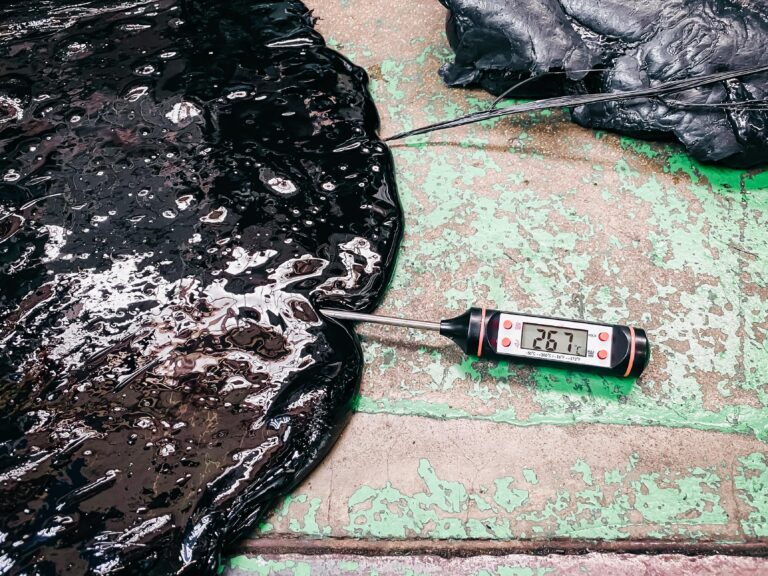
Purging compounds, or purging agents, are essential for maintaining the quality and efficiency of plastic manufacturing machines. They help to eliminate any traces of plastic that may remain after producing a component, preventing contamination, degradation, and waste. However, not all plastic purging compounds are the same. Depending on the type of machine, plastic, and process, you may need a different purging agent to achieve optimal results. Here’s what you need to know to select the best purging agent for your specific application.
Reasons to Use a Purging Compound
Cleaning a machine without a purging agent is possible, but can be much more difficult. Purging agents reduce the time and energy needed to clean plastic residue from machines, saving your staff time and saving the company money.
Purging compounds clean plastic molding machines after parts are finished. While the vast majority of the plastic makes it into the part itself, residual plastic can be left behind. Over time, the buildup of plastic leftovers, additives, and other chemicals can affect how machines work. Too much buildup means defective or contaminated parts, hurting your company’s bottom line and reputation.
Factors to Consider When Choosing a Purging Agent
There are many purging agents to choose from, which can be confusing if you are unfamiliar with them. Fortunately, there are a few factors to consider that can help you make your decision.
Compatibility With Resin
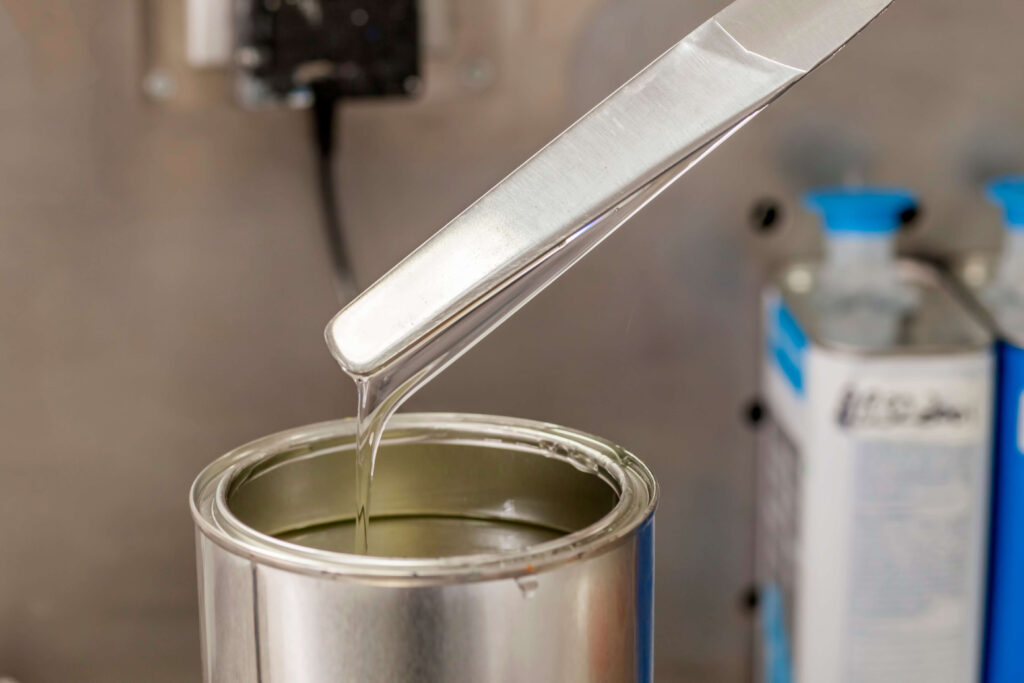
Resin is the basis for most plastics, but not all fluids and additives are compatible. For example, plastic resin and water don’t mix well, making it nearly impossible to dissolve leftover resin in water when you clean.
When choosing a purging agent, first ensure it is compatible with the resin. You want an agent that will mix with and loosen the resin polymers so you can easily wash them out.
Operating Temperature
Purging agents can be added to a machine before it fully cools down. In many cases, this is a good thing since any residual plastic will be softer and easier to remove. However, you must ensure that your purging agent can handle that temperature.
Every purging agent has a listed operating temperature at which you can safely use it in a machine. Make sure that you choose an agent with an operating temperature relative to your manufacturing temperatures for plastic. The closer it is, the sooner you can put it in the machine and get it clean. Earlier cleaning means you can start the manufacturing process again sooner and increase productivity.
Cost-Effectiveness
While commercial purging compounds can help raise productivity, they can also be expensive if used often. Whichever agent you choose, make sure that it is cost-effective to do so.

For example, an agent that can cut cleaning time by 50% could be cost-effective if you can produce more parts in a shift. If a purging agent only reduces cleaning time by 5% and costs as much as a run of new parts costs, then it may not be a good investment since you won’t see a significant boost in productivity and revenue after using it.
Performance
Finally, consider the performance of your purging agent. Make sure that you choose one that works well under the right conditions. Choosing the wrong agent can mean higher operating costs while not seeing the full benefits of having a purging agent.
Performance isn’t a single metric; it breaks down into several practical questions worth asking before you commit to a product. How quickly does the agent clear color and resin contamination? How many cycles does it take to achieve an acceptable purge? A product that technically works but requires excessive material and machine time to do so isn’t really performing well; it’s just performing.
Get the Right Purging Compounds at a Good Price
There are plenty of purging agents to choose from. While considering these factors can help your decision, consulting with an expert is still a good idea. At Phoenix Plastics, we help companies get the proper additives and agents to make their plastic manufacturing more effective. Contact us at (866) 760-2311 for help ordering the right cleaning agent for your needs.