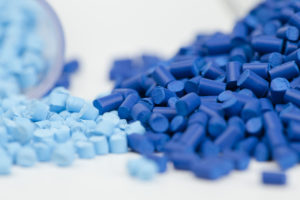
Plastic is a combustible material with a high tendency to ignite and burn. Industries that use plastic for various operations rely on flame retardants to prevent fires and slow down their spread. Below, Phoenix Plastics provides information on using flame retardant additives to protect plastics from easily burning under the right conditions. These practices also ensure safer operations and product usage. Read on to learn more.
What are Flame Retardants?
In industry terms, they are additives that help reduce the risk of plastics igniting and catching fire. However, for plastics to burn, they typically need three conditions to work in combination. These ideal conditions include heat, oxygen, and a type of fuel source, which is best known as the triangle of fire.
Keep in mind, however, that there are only three conditions to alter when it comes to stopping plastic materials from burning. By adding flame retardant materials, they will eliminate any of the three components of the fire triangle, so you cannot have a fire condition.
In addition to altering the fire triangle, flame retardants can also slow down combustion by affecting the chemical reactions occurring within the burning polymer. Depending on their chemical structure and interaction with the plastic matrix, these additives can disrupt the formation of volatile gases that sustain a flame. This means that not only do they target physical aspects of fire, but they also intervene at a molecular level—making them a comprehensive solution for a variety of applications.
Retardant Additives
At Phoenix Plastics, we are your top-choice experts when it comes to providing quality flame retardants and other plastic compound additives. For example, we specialize in three types of retardants:
Water Quenchers
These include Aluminum Trihydrate (ATH), Magnesium Hydroxide Mg(OH)z, and Borates, which go through the process of endothermic decomposition. Quenchers give off the water when the decomposition temperatures are elevated. Consequently, this reaction is what helps extinguish the fire by reducing the heat source of the fire triangle. These types of materials are used in polyolefins, such as polyethylene and polypropylene.
One of the major advantages of using water quenchers is their non-toxic nature. Unlike halogenated flame retardants, water-based quenchers do not release harmful gases when exposed to fire, making them an environmentally preferable choice for industries with strict safety and sustainability requirements. Additionally, their ability to release water helps cool the surrounding material and delay further combustion, which can be vital during emergency situations.
Gas Generating Additives
These forms of retardants, like DECA (Decabromodiphenyl Ether), also inhibit ignition. As the name suggests, these additives produce a specific gas that prevents oxygen from feeding the fire. Also, o
Gas-generating additives are especially favored in applications where plastic materials must meet rigorous fire-safety standards, such as electronics housings and wire coatings. By quickly forming a gas barrier, these additives can protect sensitive components from both direct flame exposure and the spread of smoke or toxic emissions. This property is particularly critical in public transportation, aerospace, and data center environments where minimizing smoke toxicity is as important as suppressing flames.
Carbon Forming Additives
Overall, carbon-forming additives tend to produce a char layer when exposed to heat. This layer is a bad conductor of heat, thus stopping heat from transferring. Carbon-forming additives contain mostly polyammonium phosphates with various levels of char-forming additives. They consequently form a thick crust of pure carbon when the material is exposed to high heat.
A well-developed char layer not only acts as a physical shield to block heat transfer but also helps to limit the amount of oxygen that can reach the underlying plastic. This self-sealing action can greatly enhance the fire resistance of products such as insulation panels, automotive parts, and furniture foams. The formation of a protective crust can further prevent the release of flammable volatiles, thereby contributing to overall fire containment and safety compliance.
Using flame retardants is an excellent choice overall because they provide a critical layer of protection against fire. These innovative additives also reduce the risks associated with fire hazards. Therefore, the major application areas for these products
In fact, regulatory agencies in many countries require certain plastic products—especially those used in public buildings, vehicles, and child-focused environments—to pass stringent flammability testing. The use of flame retardant additives helps manufacturers achieve certifications such as UL 94 or ASTM E84, which demonstrate enhanced product safety for both commercial and residential applications. Furthermore, continued advancements in flame retardant technology are driving the development of next-generation solutions that offer improved performance with reduced environmental impact.
Flame Retardant Additives from Phoenix Plastics
For more information about flame retardants offered by Phoenix Plastics, contact one of our service experts today at 1-866-760-2311. You may also conveniently contact us online and tell us how we can help. In fact, as an ISO:9001-certified company, we’re always happy to provide trusted, high-quality products that you can rely on.