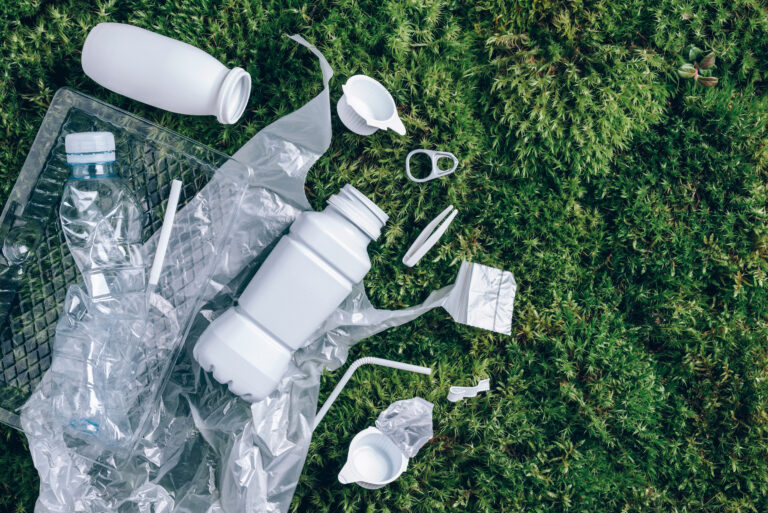
The global push toward sustainability has placed biodegradable plastics at the forefront of materials innovation. As environmental concerns intensify and regulations tighten, manufacturers are seeking alternatives to traditional petroleum-based polymers. At Phoenix Plastics, we’re pioneering the development of advanced biodegradable plastics that don’t compromise on performance while delivering genuine environmental benefits.
Understanding Biodegradable Plastics and Their Promise
Biodegradable plastics are polymer materials designed to break down naturally through the action of microorganisms, enzymes, and environmental conditions. Unlike conventional plastics that persist in landfills and oceans for centuries, biodegradable plastics offer a responsible end-of-life solution that aligns with circular economy principles.
The market continues to expand rapidly as consumers demand eco-friendly products and governments implement stricter waste management policies. However, the success of these materials depends not only on their ability to degrade but also on maintaining the mechanical properties, processability, and shelf life that applications require.
How Additives Transform Biodegradable Plastics’ Performance
The future lies in sophisticated additive technology. While base biopolymers provide the foundation for degradability, carefully selected additives enhance performance characteristics that make these materials viable for real-world applications.
Pro-degradant additives accelerate the breakdown process once products reach their end of life. These compounds catalyze oxidation and fragmentation, enabling faster decomposition in composting facilities or natural environments. At Phoenix Plastics, we formulate pro-degradant systems that remain dormant during product use but activate under specific disposal conditions.
Plasticizers improve flexibility and processability, particularly for film and packaging applications. Bio-based plasticizers derived from vegetable oils or citric acid esters maintain the environmental credentials of the final product while delivering the performance needed for food packaging, agricultural films, and consumer goods.
Stabilizers That Balance Performance and Degradability
One of the greatest challenges in development involves balancing durability during use with degradability after disposal. Advanced stabilizer systems solve this paradox by protecting the polymer during its service life while allowing controlled breakdown afterward.
Heat stabilizers prevent degradation during high-temperature processing operations like extrusion and injection molding. UV stabilizers protect outdoor applications from premature weathering. These additives must be carefully selected to avoid interfering with ultimate biodegradation while ensuring products maintain their integrity throughout their intended lifespan.
Phoenix Plastics has developed proprietary stabilizer packages that provide months or even years of protection followed by predictable degradation timelines. This technology enables biodegradable plastics to compete directly with conventional materials in demanding applications.
Nucleating Agents and Processing Aids for Biodegradable Plastics
Processing biodegradable plastics often presents unique challenges compared to traditional polymers. Many biopolymers exhibit narrow processing windows, high melt viscosities, or poor crystallization behavior. Specialized additives address these limitations and make biodegradable plastics more commercially viable.
Nucleating agents accelerate crystallization and improve mechanical properties in semi-crystalline biopolymers like polylactic acid (PLA). These additives enable faster cycle times in injection molding and enhance heat resistance in finished products. Processing aids reduce melt viscosity and prevent equipment fouling, allowing manufacturers to use existing machinery without extensive modifications.
The right combination of processing additives makes biodegradable plastics practical for high-volume manufacturing while maintaining cost competitiveness with conventional materials.
Antimicrobial Additives for Extended Shelf Life
Biodegradable plastics used in food packaging and medical applications benefit from antimicrobial additives that prevent microbial growth on product surfaces. These additives extend shelf life and maintain hygiene without compromising biodegradability.
Natural antimicrobial agents derived from essential oils, chitosan, or silver nanoparticles offer effective protection while aligning with sustainability goals. Phoenix Plastics continues researching bio-based antimicrobial systems that enhance the value proposition of biodegradable plastics in sensitive applications.
Phoenix Plastics: Your Partner in Sustainable Innovation
At Phoenix Plastics, we combine deep materials expertise with commitment to sustainability, developing customized additive solutions that make biodegradable plastics practical for your applications.
Whether you’re transitioning existing products to sustainable materials or developing entirely new offerings, our team provides the technical support and innovative formulations needed for success. Together, we can create a future where high-performance plastics and environmental responsibility go hand in hand.