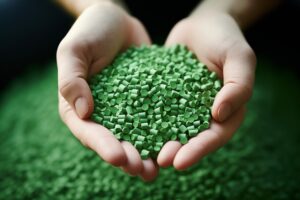
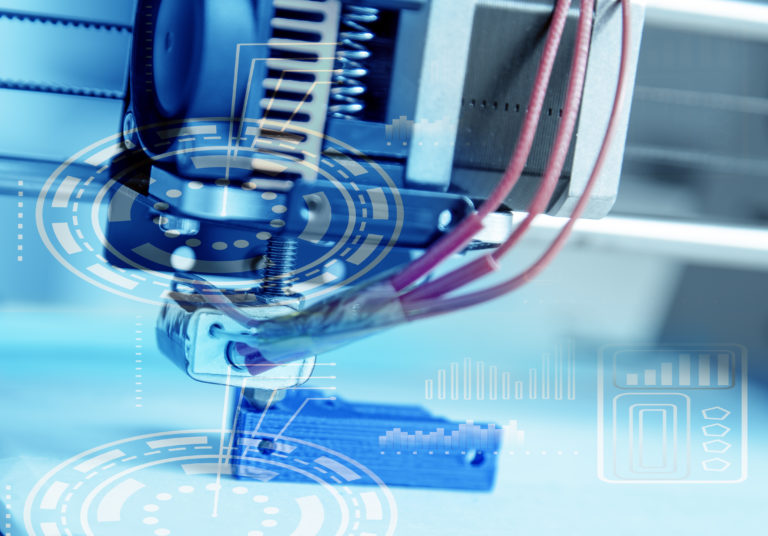
Injection molding is one of the more popular processes commonly used in manufacturing. Because of its popularity, this process is popular when mass-producing your product. This process of molding has also become popular thanks to its sustainability in manufacturing, especially in the plastic industry. With injection molding and the proper plastic additives, it is possible to reduce toxic emissions and dangerous, non-disposable waste, filling landfills. Plastic molding will focus on using recyclable plastic materials to ensure sustainability.
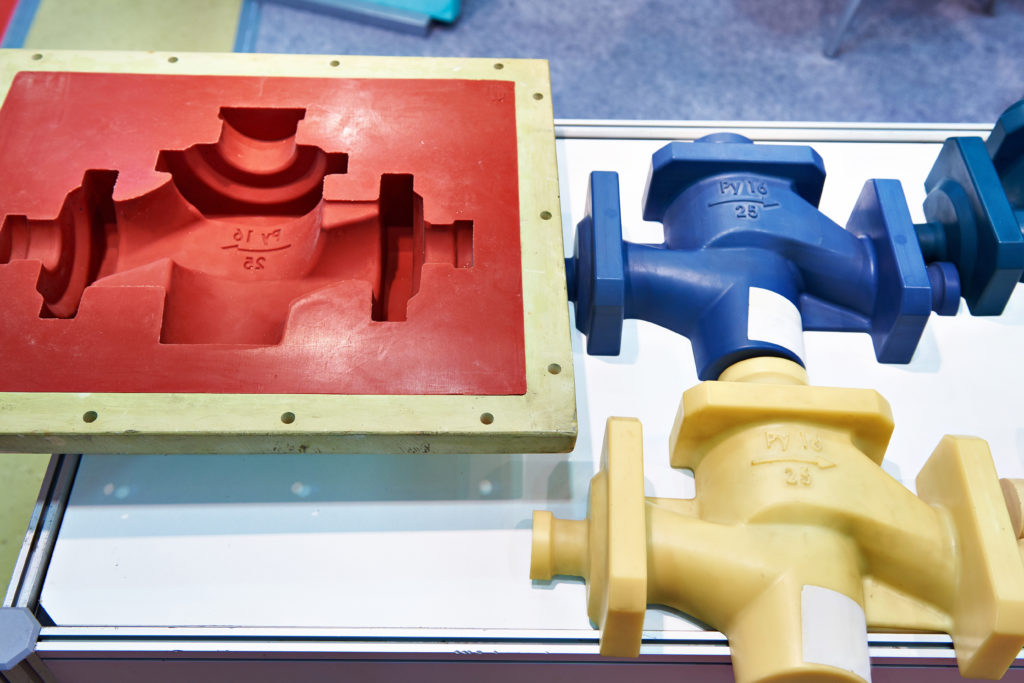
What Is Injection Molding, and How Does It Work?
Injection molding is a manufacturing process for creating parts where melted plastic is injected into a mold. Once cooled, the plastic solidifies into the desired shape. Injection molding is a versatile manufacturing process that can create parts of various sizes and shapes. The process is relatively quick and easy, making it the ideal choice for mass production. As a result, injection molding is a highly versatile manufacturing process used to create parts for various applications.
At its core, the process relies on a few key components working in sequence: a hopper that feeds raw plastic pellets or granules into the system, a heated barrel where the material is melted down, a reciprocating screw that builds pressure and pushes the molten plastic forward, and finally the mold itself — typically two halves of hardened steel or aluminum that clamp together to form a sealed cavity. When enough material has been prepared, the screw acts like a plunger and forces the melt into that cavity at high pressure. The plastic fills the space, takes on the mold’s shape, and then, cooling channels built into the mold pull heat away until the part is solid enough to eject.
The whole cycle — from injection to cooling to ejection — can take anywhere from a few seconds to a couple of minutes, depending on the part’s size and material. That speed is exactly what makes injection molding the dominant choice for high-volume manufacturing. Once the tooling is in place, the same mold can produce thousands or even millions of identical parts with very tight tolerances and minimal variation between them.
Material choice plays a bigger role in this process than it might seem. Different thermoplastics behave differently under heat and pressure, flow at different rates through the mold, and shrink by different amounts as they cool. Common materials include ABS, polypropylene, nylon, and polycarbonate, each suited to different performance requirements. Getting the material, mold design, and processing parameters aligned is what separates a clean, consistent part from one with defects like warping, sink marks, or short shots where the mold didn’t fill.
The upfront investment is the most significant limiting factor. Molds are precision-machined tools that can cost anywhere from a few thousand dollars for a simple single-cavity aluminum mold to well over $100,000 for complex, multi-cavity steel tooling. That cost gets justified quickly at scale, but it makes injection molding a poor fit for low-volume runs or products still in the design iteration phase. For those situations, other methods like 3D printing or CNC machining are often more practical until the design is locked in.
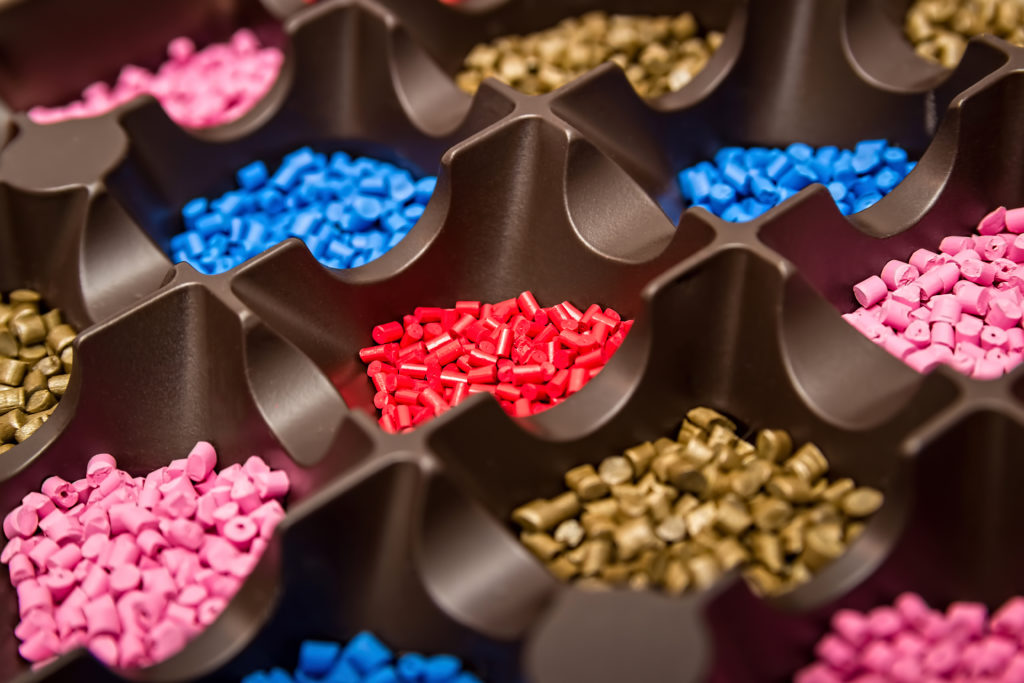
The Different Types of Materials That Can Be Used in Injection Molding
Plastics and plastic additives are one of the most common types of material used in this process. However, injection molded parts can also be made from metals, plastics, and ceramics. Each type of material has its own unique set of properties that make it well-suited for specific applications. Metals are strong and durable, making them ideal for parts subject to high usage levels. Plastics are lightweight and easy to mold into complex shapes, making them ideal for precision. Also, ceramics are heat-resistant and have a wide range of electrical and thermal conductivity. Phoenix Plastics is dedicated to providing the very best plastic additives for your manufacturing process.