Film Extrusion

Film Extrusion Purges

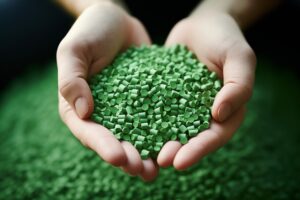
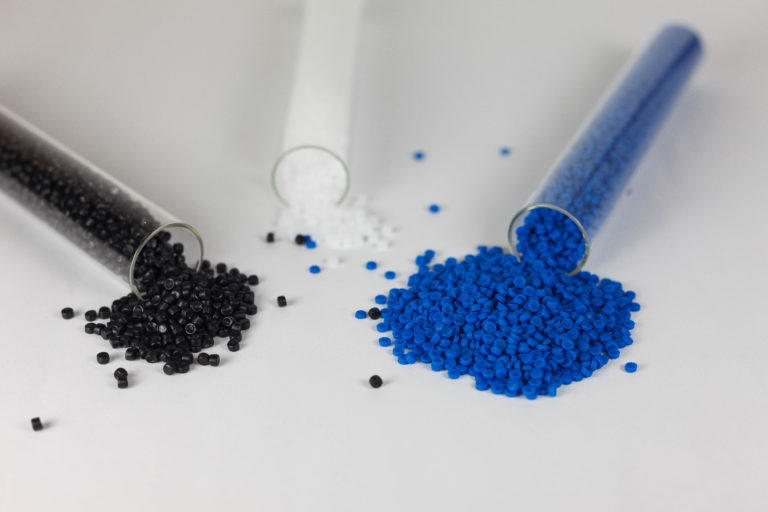
Everyone makes a purge, but not all film extrusion purges are the same. Purges get a bad name because some manufacturers don’t put a lot of thought into the chemistry or the process of film extrusion purges, or if they do put some thought into the process, they just want to do it cheaply and get a bunch of barefoot resin, mix it together call it a “purge” because people are just going to make a patty and throw it away.

However, at Phoenix Plastics, we put a lot of actual thought and science into our film extrusion purges.  We are chemical compounders. Phoenix Plastics can add and mix as many things as we want into our purges to address the changing resins and problems film manufacturers face. 

About Film Extrusion Purges
Purges Study

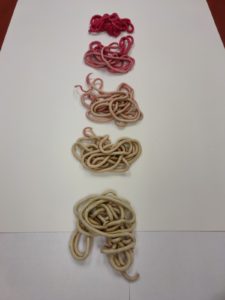
Film extrusion purges always need Broad Distribution resin for their physicals, stretch, elongation, gauging, etc. These resins can have very big and very little polymer chains. When you add sheer and heat histories to these chains, they can shred, which can cause some to acquire very low molecular weight. These small molecular weighted chains melt and migrate out to the surface first, leading to dye buildup, residues, and waxes.  

Heat histories are always killers of resins. They cause more damage to polymer chains, which leads to degradation, charring, and black specs. Double this process if you are using any form of regrind or recycled material because the degrading cycle has already started, eventually becoming Carbon. Certain pigments like carbon black, which likes to bind to steel, or Titanium dioxide, which loves to plate out. In a very short time, your barrels and flights of screws are coated in contamination.  

Running only resin as a purge may be enough, but it usually only deposits a thin coating of resin that flows over the carbon. Eventually, these also flake off, causing black specs or particles to get stuck in the die.  

Having specialty film extrusion purges that consider these processes will greatly decrease machine wear and tear, protect resin, and limit downtime.

CEL-SPAN 385

The Cel-Span 385 was designed to: 

*solubilizes pigments and loses plate out.  

*compatibilize and re-incorporate all the small Molecular weight (low ends).  

*expanders to permeate into the microcracks on the screws, barrels, and dead spaces. 

*resin blend and scouring minerals to scour all the loose particulates and gels that are causing the die lines.  

For more information on Cel-Span 385 and more Phoenix Plastic products,

Make sure to Contact the Experts

RECENT BLOG POSTS

Illustration of plastic additives to improve performance, color, and sustainability for manufacturing applications.

Top Plastic Additive Trends: What’s Shaping the Industry Today?

In 2026, plastic additive trends are shifting toward solutions that reduce environmental impact while improving performance, not just meeting minimum compliance. Processors increasingly look for plastic additive trends that support recyclability, lighter-weight parts, and lower VOC and toxicity profiles to satisfy brand, regulatory, and customer expectations. At the same time, plastic additive trends emphasize higher

Read More »
Plastic additives made with thermal stabilizers, allowing them to withstand high temperatures.

Thermal Stabilizers in Plastics: Preventing Degradation in High-Temperature Applications

Plastics have become integral to various industries due to their cost-effectiveness, versatility, and lightweight nature. However, high temperature exposure can lead to significant degradation of these materials, affecting their mechanical properties and overall performance. To address the challenge of heat exposure, thermal stabilizers are integrated into plastic formulations. These specialized additives play a crucial role

Read More »
compounding and manufacturing in Houston

The Benefits of Polymer Additives

There are a variety of reasons that manufacturers choose to use polymer additives. Additives have been added to polymers for ages, and as long as plastic is used, this practice will continue. These additives effectively reduce costs, extend the life of the material, reduce flammability, improve flexibility, and make processing simpler, among other benefits. Enhancing Performance

Read More »

ABOUT US

Located in Conroe, TX, just north of Houston, Phoenix Plastics was founded in 1996 but our staff has more than 75 years of experience in the plastic industry. Our testing and processing takes place in-house, which allows Phoenix Plastics to maintain high quality standards. Phoenix Plastics is an ISO 9001: 2015 Certified company.


CONTACT US TODAY

5400 Jefferson Chemical Rd
Conroe, TX 77301

1.866.760.2311 / Fax: 936.760.2322
phoenix@phoenixplastics.com

Location Hours:
Monday – Friday: 8:00 AM – 4:00 PM CST
Dock Hours: Monday – Friday: 9:00 AM – 3:30 PM CST

FIND US

Translate »
Scroll to Top

1 Result for California

QTM

QTM

Contact: Kevin Para
kevin@qtmi.com or
QTMOrders@qtmi.com

540 S Melrose St.,
Placentia, CA 92870

Founded in 1999, QTM, Inc. was established to better serve thermoplastic processors, OEMs, and end users. Unlike the larger distribution companies that dominate today’s plastics distribution world, we are a smaller yet aggressive plastics distribution and manufacturing partner. Our mission is to provide personalized, efficient, and high-quality service to meet the unique needs of our clients.

Distributor data QTM