Antimicrobial additives enhance the safety and hygiene of plastic products by effectively inhibiting the growth of harmful microorganisms.
Plastics are ubiquitous in our modern world, but they also pose a challenge to maintaining hygiene and preventing the spread of harmful microbes. Bacteria, mold, fungi, algae, and viruses can grow on plastic surfaces and cause various problems, such as staining, odor, degradation, and infection. That’s why many plastic manufacturers are turning to antimicrobial additives, which are active agents that can inhibit the growth of microbes on plastic products.
The Benefits of Antimicrobial Additives for Plastics
Antimicrobial additives can offer several benefits for plastic products, such as:
- Reducing illness and infection caused by bacteria
- Resisting the growth of unpleasant mold and mildew
- Minimizing stains and odor caused by bacteria
- Inhibiting physical degradation from bacteria and fungi, which feed on plastics and their additives
- Extending product lifespan and minimizing waste
- Enhancing product aesthetics and performance
However, not all antimicrobial additives are the same. Different additives for plastics have different modes of action, effectiveness, compatibility, and safety.
Modes of action describe how the additives work to achieve their intended effects. For example, some additives release antimicrobial agents that inhibit the growth of bacteria, fungi, or other microorganisms. Others may work by disrupting the cellular structure of insects, deterring pests from damaging plastic products. Alternatively, certain additives function as UV stabilizers, protecting plastics from degradation caused by exposure to sunlight.
Effectiveness refers to the additive’s ability to deliver the desired outcome. Additives may differ in their potency, duration of efficacy, or spectrum of protection. Some additives demonstrate strong antimicrobial properties, effectively eliminating a broad range of microorganisms. Others may have more specific targeting, such as inhibiting the growth of certain bacteria or fungi. The effectiveness of an additive is a crucial factor when selecting the most suitable solution for a specific application.
Compatibility is another important consideration when incorporating additives into plastics. Different additives may interact differently with the plastic matrix, with some being easily integrated and dispersed, while others may require specific processing techniques or additional compatibilizers. Compatibility ensures that the additive does not negatively affect the overall properties or performance of the plastic material.
Safety plays a vital role in selecting additives for plastics, especially those intended for food contact or healthcare applications. Additives must comply with relevant regulations and standards to ensure they do not pose risks to human health or the environment. Safety considerations encompass factors such as the level of toxicity, migration potential, and eco-friendliness of the additive.
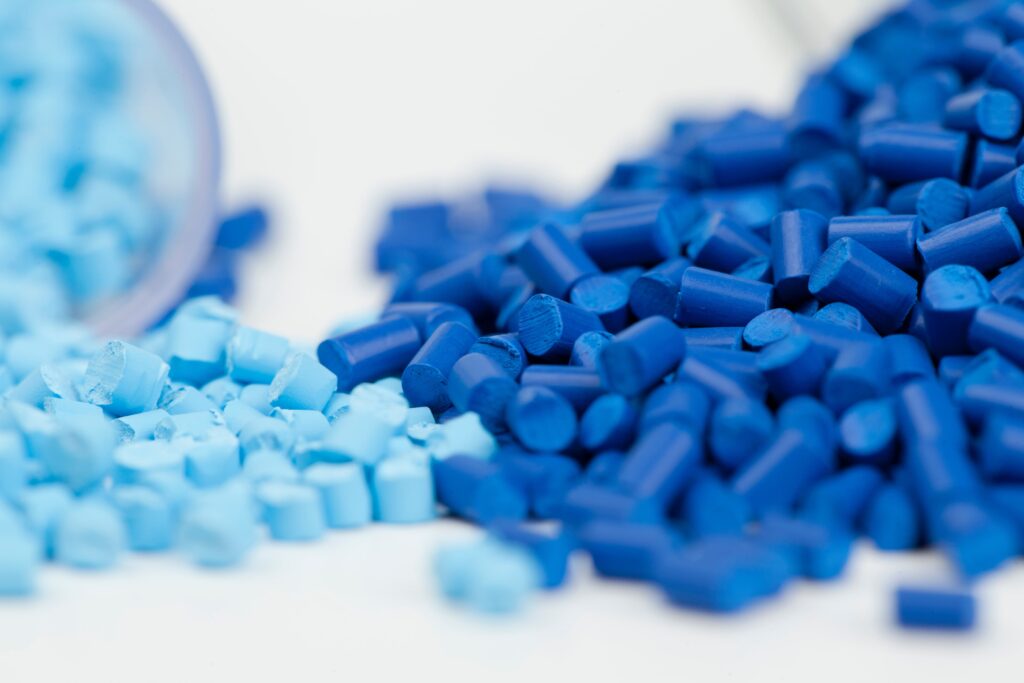
Therefore, choosing the right additive for a specific plastic application requires careful consideration of various factors, such as:
- The type of plastic resin and processing method
- The target microorganisms and the expected exposure conditions
- The desired level of antimicrobial protection and durability
- The regulatory requirements and environmental impact
Applications of Types of Antimicrobial Additives
Some of the most common types of antimicrobial additives used in plastic manufacturing include:
Organic additives include phenolic compounds, isothiazolinone treatments, thiabendazole, and zinc pyrithione. These additives work by interfering with microbes’ metabolism or cell membrane, but they may also leach out of the plastic over time or degrade under certain conditions.
Inorganic additives include silver, copper, and zinc compounds. These work by releasing metal ions that disrupt the DNA or enzymes of microbes, but they may also affect the color or mechanical properties of the plastic or pose potential health risks.
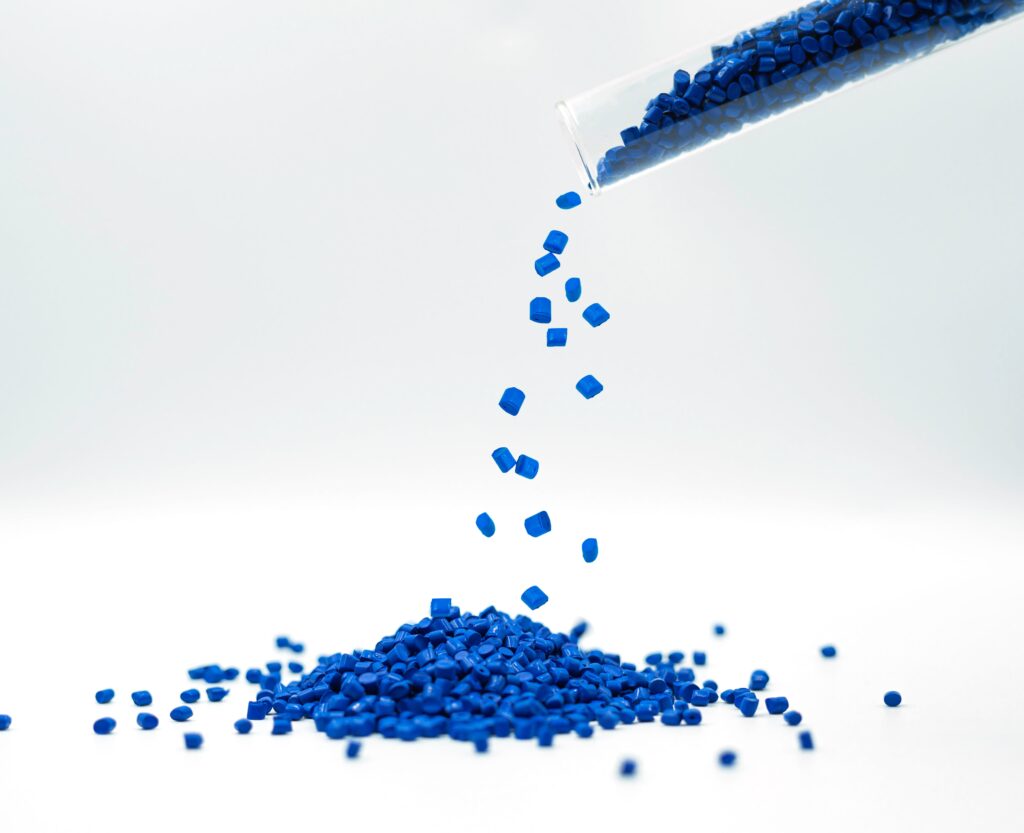
Natural additives include plant extracts, essential oils, and enzymes. Natural additives exploit the natural antimicrobial properties of certain substances, but they may also have limited effectiveness or stability or cause allergic reactions.
Phoenix Plastics specializes in antimicrobial additives for various plastic applications. Some of our products include:
Gaia 505 AB
A concentrate that helps to slow the growth of bacteria, fungus, and algae on plastic surfaces. It is suitable for polyolefin resins and can be used in injection molding or extrusion processes.
Gaia 704 AB
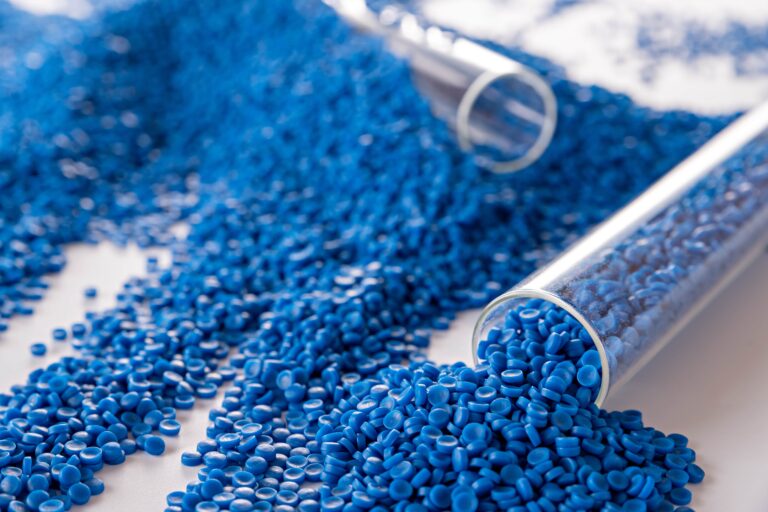
This antimicrobial additive is a concentrated masterbatch produced in an LLDPE carrier resin for clear applications. It provides antibacterial protection for plastics that come into contact with food or water.
The Plastic Additive Experts: Phoenix Plastics
Phoenix Plastics is a team of experts who pride themselves on personalized service and innovative solutions. If you are looking for antimicrobial additives for your plastic products, contact us today and see how we can help you create cleaner and more durable plastics.