Plastic materials offer a wide variety of benefits based on their composition. One way of adjusting those properties is to mix them with additives, additional chemicals, or materials that improve the functionality, appearance, or lifespan of the plastic materials.
Additives for Plastic Materials
Additives offer a range of benefits by letting you change the properties of plastic materials. Some additives change the color, while others make them flame-resistant. Some improve stability, while others improve the overall quality of the product. It all depends on what you need your plastic to do.
Learn more about the benefits of polymer additives.
Most Commonly Used Plastic Additives
The number of plastic additives you can use is vast, but they tend to fall into a handful of categories that make them easier to understand. Here are the most common varieties of plastic additives.
Plasticizers
Plasticizers make plastic materials more elastic and moldable. This is the additive you need when you need to give plastic more stretch. Using this additive makes plastics softer and malleable, which reduces stress on the machine before the plastic hardens again in a later stage in some applications.
Flame Retardants
Flame retardants are additives that make plastic materials harder to burn. This additive is necessary for many applications since it can save people’s lives. The more flame retardant you use, the less flammable the final product becomes.

Antioxidants
Antioxidants help extend the plastics’ lifespan by keeping them from bonding with oxygen molecules and growing mold or bacteria. By stopping the growth of things that can break down the plastic, it will wear out less over time and last longer.
Acid Scavengers
In a nutshell, acid scavengers are added to plastics to stop or prevent unwanted chemical reactions. This makes the plastic less likely to react to chemicals and materials it comes in contact with, making the plastic parts more durable in the form that you make them.
Light and Heat Stabilizers
Light and heat stabilizers are used to make plastic parts resistant to heat and light, two things that cause plastic parts to wear down over time. These are important for parts used outside and in hot places, as exposure to the sun could damage them without the right additives.
Lubricants
Lubricants make it easier to move parts around and can make them easier to mold. They reduce friction by making parts smoother so that they slide easily. When used right, you can make your plastic parts easy to slide on other surfaces.
Pigments
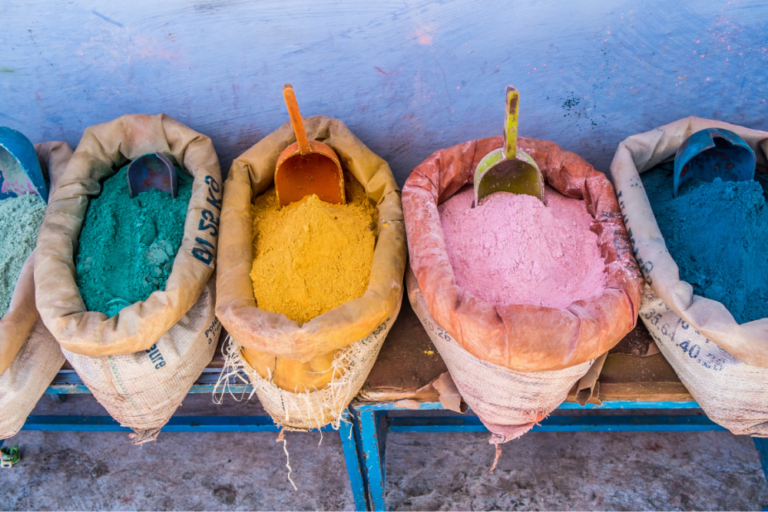
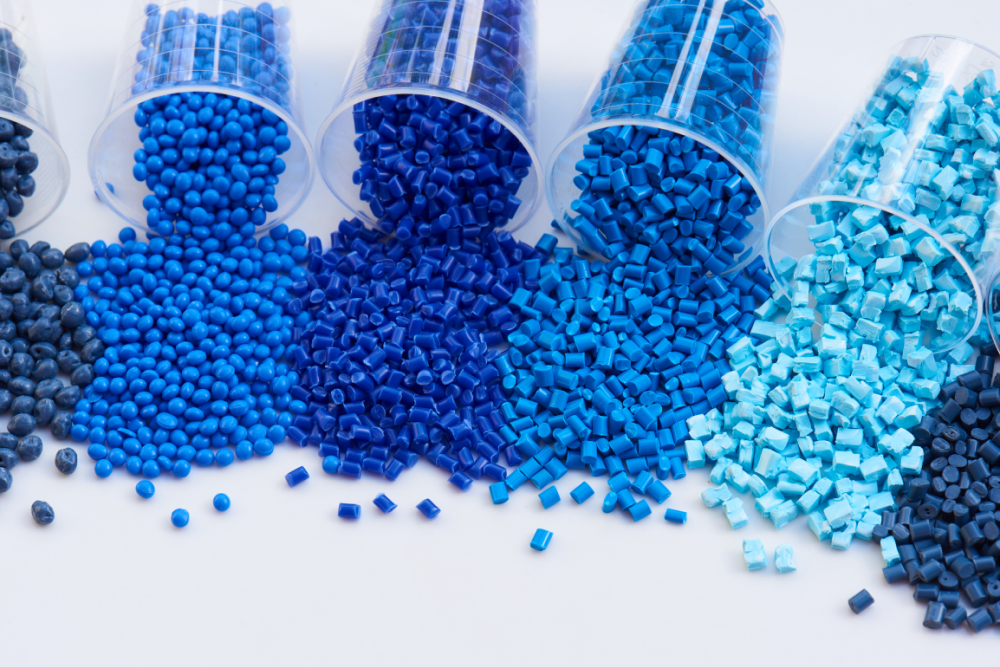
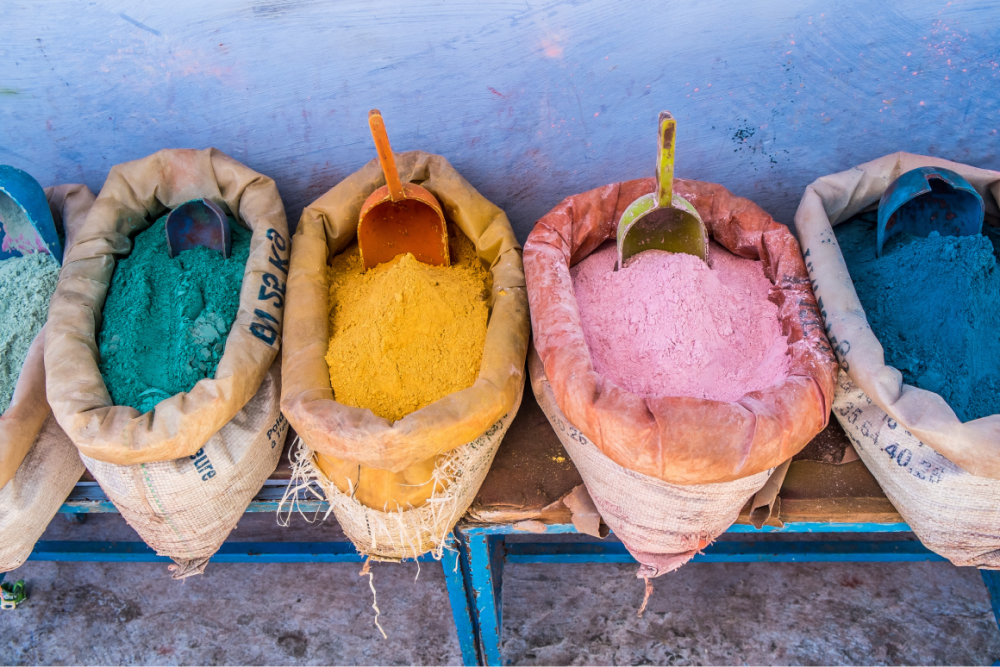
Pigments are material additives that change the look of plastics, usually by adding colors. There are thousands of pigment options to choose from, and more than one is often used to make parts a specific color or shade.
Thermal Stabilizers
Thermal stabilizers make plastics stay in their form within a specific temperature range.
Antimicrobial Additives
Another increasingly popular category of plastic materials is antimicrobial agents. These additives help inhibit the growth of bacteria, fungi, and other microorganisms on the surface of plastic products. This is especially important in applications where hygiene is a top priority, such as in medical devices, food packaging, and household items. By integrating antimicrobial additives into plastics, manufacturers can create products that stay cleaner for longer periods and help reduce the risk of contamination. This added layer of protection not only extends the product’s useful life but also provides peace of mind to consumers who are concerned about health and safety.
Learn More About Plastic Materials from Phoenix Plastics
There are many additives to explore. Get help picking the right plastic additive for you from Phoenix Plastics. Contact us now to get a quote on your next project.