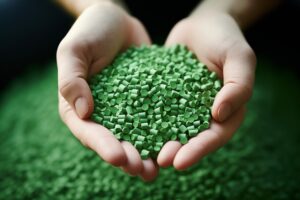
Phoenix Plastics provide plastic additives for this products

The 3 Things to Know When Using Plastic Additives for Food Storage

Fortune Business Insight expects the plastic additives market to grow to $75.2 billion. The growth of plastic additive products shows the importance of the plastics manufacturing industry and the popularity of plastic packaging in the food and beverage industry, especially when discussing food storage. Here are three things to know when purchasing plastic additives for the plastics manufacturing industry.

Types of Plastic Additives Used in Food Storage

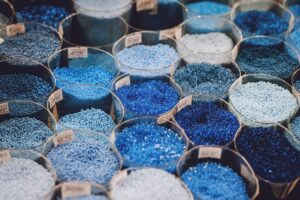
Food packaging uses a wide range of plastic additives, including PET, HDPE, PVC, and LDPE. Polyethylene Terephthalate (PET) plastic is a clear but tough plastic commonly used for water bottles and other beverages. High-density polyethylene (HDPE) can be clear or colored and is less flexible than PET. HDPE is the plastic additive of choice when manufacturing containers for easily perishable beverage products, like juices and milk.

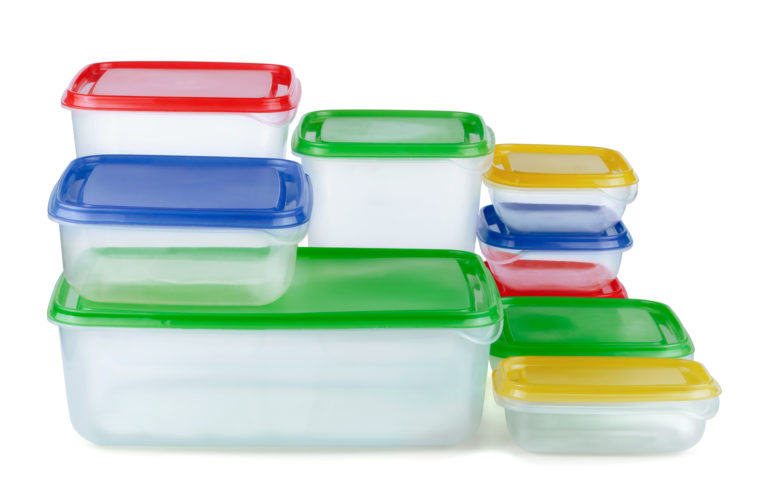
When manufacturing food wrappings, bread bags, or grocery bags, low-density polyethylene (LDPE) is the plastic additive of choice due to its soft, flexible, and lightweight content. Finally, Polyvinyl chloride (PVC) is the plastic additive of choice when manufacturing your presentation trays and leftover containers, but ensure that you are using the correct, non-chemically treated PVC plastic additives due to the toxicity of the chemically treated PVC plastic additives.
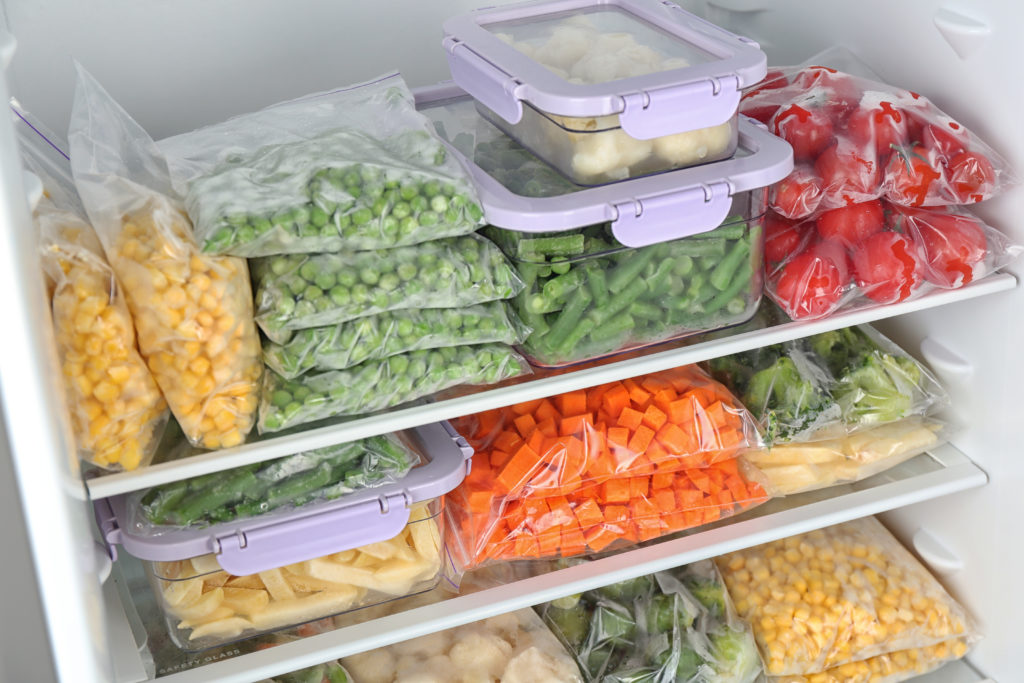
Proper plastic additives are important when making your food storage products.  Contact Phoenix Plastics to learn more.

What is the Plastics Manufacturing Process?

Plastics are made from naturally derived materials, such as cellulose and coal. These plastics contain various elements, such as carbon, oxygen, nitrogen, and hydrogen. Plastics are also manufactured through various polymerization processes.

From there, the process of manufacturing the desired containers and shapes happens through various molding methods. For instance, you can use extrusion blowing, injection blow molding, stretch blow molding, or injection molding to create various plastic food packaging containers. The technology behind the plastics manufacturing process has improved significantly, thus providing you with more options than ever and adherence to the highest safety standards.

Why Plastics For Food Storage?

Plastics have several characteristics that make them ideal for food packaging and containers. For instance, they are a cost-effective way to protect food from damage and extend its freshness. In addition, most plastics are recyclable, so they’re also good for the environment. The good news is that the plastics used in food packaging ensure food safety because they’re safe and non-toxic. Remember, the U.S. FDA regulates the plastic manufacturing industry and only approves substances used in food packaging and food contact materials.

 Food storage is important. No one likes throwing out food, but it is important to know that you are storing your food in an environmentally friendly, non-toxic container. Doing your research and making informed decisions before purchasing plastic products is always a good idea.
To learn more about Phoenix Plastics and our plastic additives

Contact Us Today!

RECENT BLOG POSTS

Plastic stabilizers are additives that enhance product quality, durability, and performance in plastics manufacturing.

Understanding the Different Types of Stabilizers in Plastics Manufacturing

In the dynamic world of manufacturing, stabilizers in plastics are crucial in ensuring plastic products’ longevity, quality, and performance. These additives are specifically designed to protect polymers from degradation caused by heat, light, oxidation, and other environmental factors. Types of Stabilizers in Plastics Understanding the various stabilizers in plastics manufacturing is essential for producing durable

Read More »
Purging compounds help clean plastic manufacturing machines by removing leftover plastic from the machine parts.

Choosing the Right Purging Agent for Your Application

Purging compounds, or purging agents, are essential for maintaining the quality and efficiency of plastic manufacturing machines. They help to eliminate any traces of plastic that may remain after producing a component, preventing contamination, degradation, and waste. However, not all plastic purging compounds are the same. Depending on the type of machine, plastic, and process,

Read More »
Antimicrobial additives for plastic products.

The Impact of Plastic Additives on Recycling

One factor affecting plastic recycling is the presence of plastic additives. Plastic is one of the most widely used materials in the world, and recycling is one of the ways to reduce plastic waste, but it is more complex than it seems. Plastic recycling faces many challenges, such as the diversity of plastic types, the

Read More »

ABOUT US

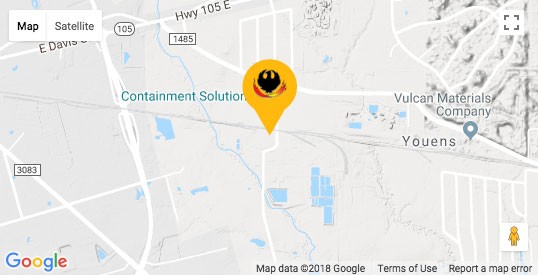
Located in Conroe, TX, just north of Houston, Phoenix Plastics was founded in 1996 but our staff has more than 75 years of experience in the plastic industry. Our testing and processing takes place in-house, which allows Phoenix Plastics to maintain high quality standards. Phoenix Plastics is an ISO 9001: 2015 Certified company.


CONTACT US TODAY

5400 Jefferson Chemical Rd
Conroe, TX 77301

1.866.760.2311 / Fax: 936.760.2322
phoenix@phoenixplastics.com

Location Hours:
Monday – Friday: 8:00 AM – 4:00 PM CST
Dock Hours: Monday – Friday: 9:00 AM – 3:30 PM CST

FIND US

Translate »
Scroll to Top

1 Result for California

QTM

QTM

Contact: Kevin Para
kevin@qtmi.com or
QTMOrders@qtmi.com

540 S Melrose St.,
Placentia, CA 92870

Founded in 1999, QTM, Inc. was established to better serve thermoplastic processors, OEMs, and end users. Unlike the larger distribution companies that dominate today’s plastics distribution world, we are a smaller yet aggressive plastics distribution and manufacturing partner. Our mission is to provide personalized, efficient, and high-quality service to meet the unique needs of our clients.

Distributor data QTM